





MedPark Hospital Raises Awareness of Sudden Death
In-depth Insights into Risks from the Heart, Brain, and Sleep Disorders

In the current fast-paced era, many often overlook physical warning signs, such as easy fatigability, palpitations, or fleeting lightheadedness, dismissing them as mere exhaustion from daily life. However, these subtle symptoms may be "red flags" for something far more severe: Sudden Death. This condition can strike without warning, leading to fatal consequences within minutes.

Intending to improve public understanding, MedPark Hospital presents the “Keeping Pace with Sudden Death: Understanding Multisystem Health Risks” press conference. The event brought together medical specialists from various disciplines to provide in-depth insights into the causes and effective preventive strategies for sudden death.

Beneath the Surface: Sudden Death Is More Common Than You Think.
Dr. Pongpat Patanavanich, Managing Director of MedPark Hospital, stated the objective of the event: “MedPark Hospital aims to encourage the public to place greater emphasis on preventive healthcare. Sudden death rarely occurs without an underlying cause; it is often the consequence of cumulative health risks, which are identifiable and manageable when detected early.”

What Is Sudden Death and How Does It Happen?
Dr. Sureerat Panyarachun, a cardiologist, explains, “Sudden death is an unexpected, swift death, often within a short time after symptoms begin. The most common cause is cardiac arrest, which stops blood flow to the brain and vital organs, leading to death within minutes.”

Despite being perceived as unheralded, sudden death is often preceded by telltale symptoms like heart palpitations, fatigue, chest tightness, or fainting. People often brush aside these symptoms. But with comprehensive diagnostic screening, doctors can initiate treatment to reduce the risk of sudden death effectively.

The 3 Cardinal Systems: The Overlooked Connections to Sudden Death
One of the key takeaways from this event is that sudden death is not just about the heart. Instead, it may involve other critical bodily systems.
1. The Cardiovascular System: The Most Prevalent Underlying Factor
Dr. Piyanart Preeyanont, a cardiologist, pointed out, “Approximately 80–90% of sudden death cases are due to the cardiovascular system. Of particular concern is cardiac arrhythmia, which can strike even those who appear perfectly healthy, professional athletes, or individuals with no prior symptoms.”

Furthermore, certain heart conditions are hereditary and may remain asymptomatic until a life-threatening event occurs, such as an acute cardiac arrhythmia, which is a leading cause of sudden death. Key examples include genetic arrhythmia syndromes like Long QT Syndrome and Brugada Syndrome (Hypertrophic Cardiomyopathy).
Therefore, if a family member has experienced an unexplained sudden death before the age of 50, surviving relatives are strongly advised to undergo an in-depth risk assessment to screen for potentially hidden genetic heart diseases.
2. The Nervous System and Brain: The Heart’s Control Center
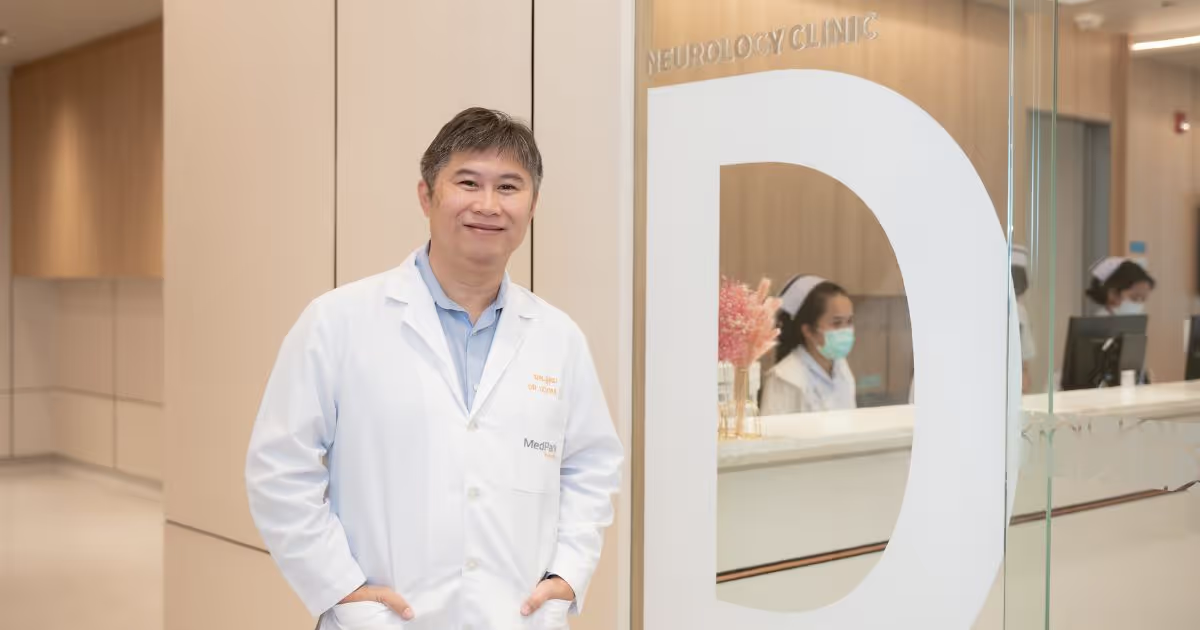
Capt. Udom Suthiponpaisan, RTN, MD, a specialist in Neurology, Stroke, and Interventional Neuroradiology, highlighted the critical link between the brain and the heart: “The brain plays a vital role in regulating cardiac contraction. It is especially evident in stroke cases, such as a major intracranial hemorrhage, which can disrupt the autonomic nervous system and rapidly lead to cardiac arrest.”
3. Sleep Disorder: An Often-Overlooked Risk Factor
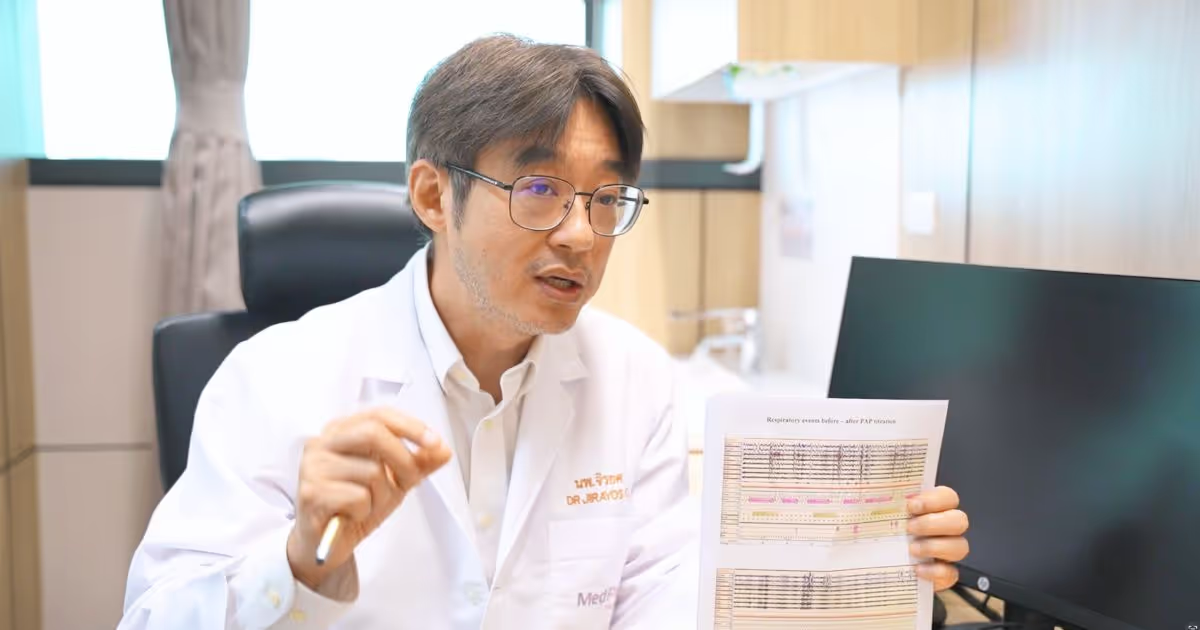
Asst. Prof. Dr. Jirayos Chintanadilok, a specialist in Sleep and Pulmonary Medicine, shared that “Another critical but often under-recognized factor associated with sudden death is sleep apnea. This condition causes intermittent drops in blood oxygen levels, placing significant strain on the heart and increasing the risk of dangerous cardiac arrhythmias, especially at night, when symptoms often go unnoticed.”
From Invisible Risk to Preventive Care
Although sudden death may seem unexpected and unpredictable, many underlying risks are identifiable through advanced targeted screening, especially in individuals with family history, chronic medical conditions, or lifestyle-related risk factors.

Dr. Sureerat further emphasized, “Comprehensive screening can significantly reduce the risk of sudden death in the general population and high-risk groups. A key strategy is targeted screenings, including evaluations of the heart, brain, sleep, and genetic risk factors to detect silent abnormalities at the genetic level. This approach can reduce the risk in high-risk individuals by 60–80%.”
The key lies not only in recognizing the risks but also in understanding the warning signs and taking proactive steps to take care of your health today. These turn future uncertainty into manageable risk.


